From the first grain elevators of the nineteenth century to today’s automated bulk-handling plants, one principle has remained unchanged: storage is only as reliable as the structure beneath it. When six silos are grouped into a single production or logistics flow, the supporting steelwork becomes more than a frame. It becomes a load-bearing system that protects throughput, safety and long-term asset value.
For industrial operators, EPC contractors and engineering teams, a 200-tonne support structure for a six-silo installation demands disciplined engineering, controlled fabrication and careful integration with surrounding process equipment. At Kametal, this is precisely where metal construction meets trust: robust design, accurate execution and project management built around industrial realities.
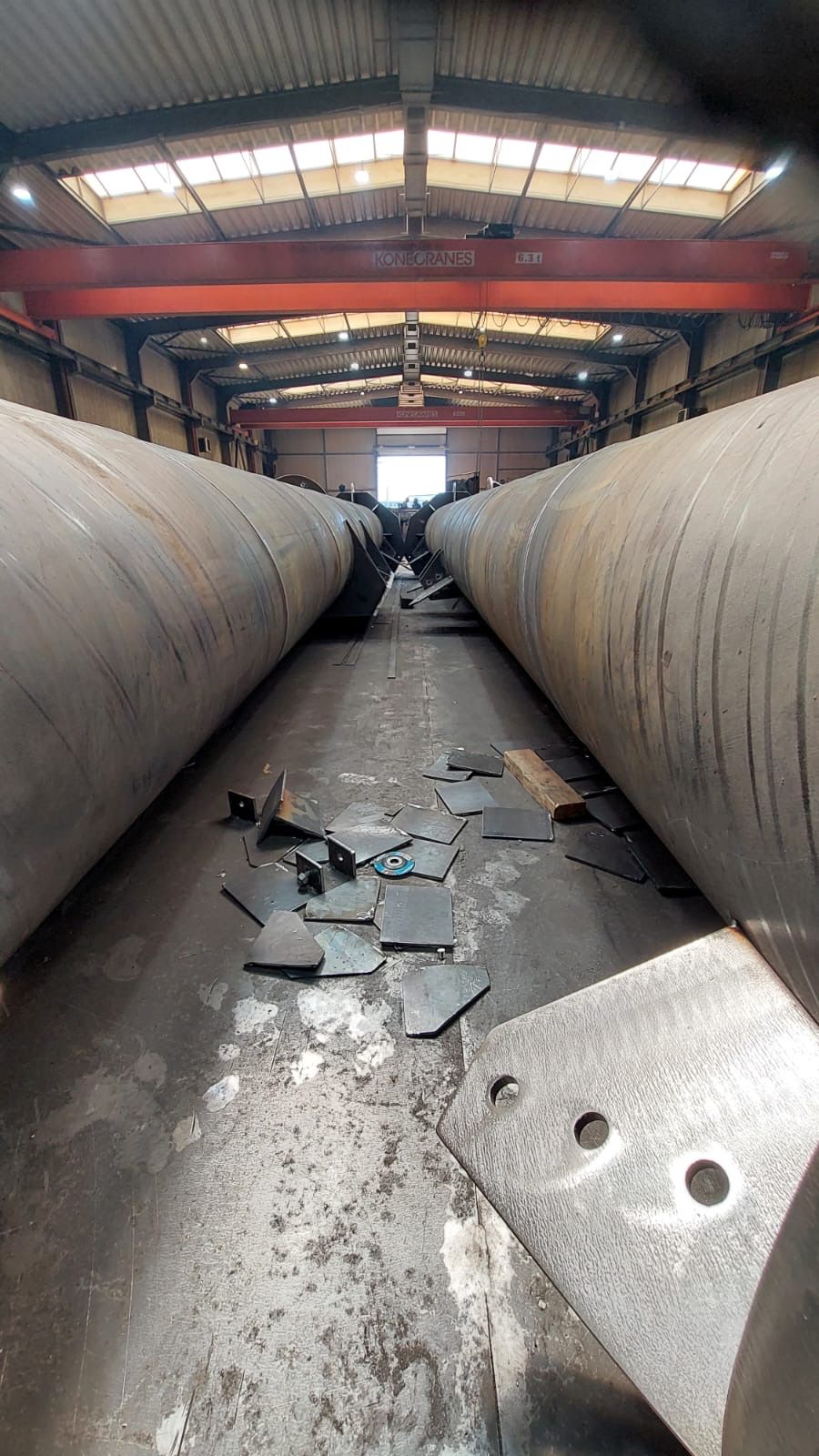
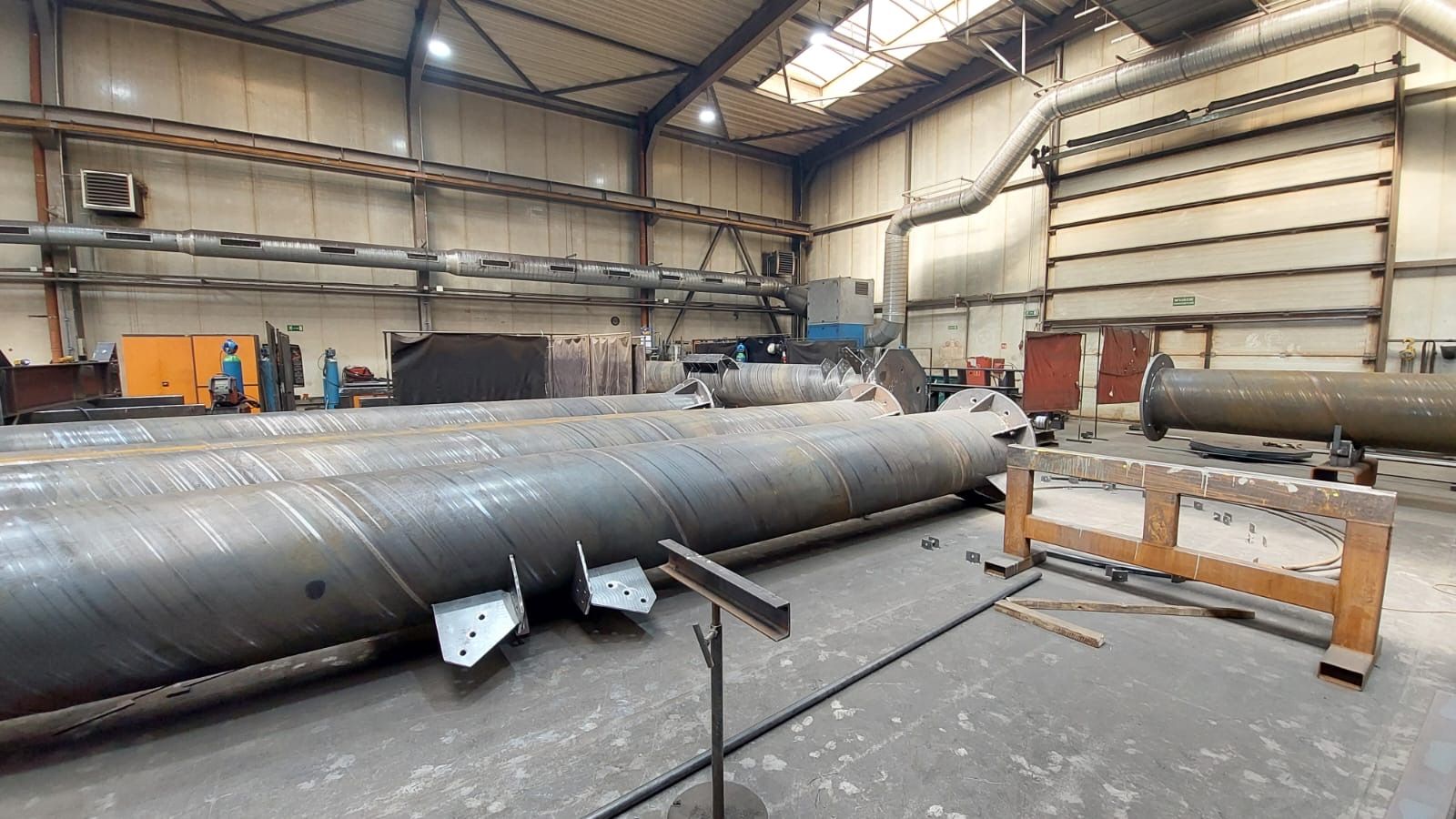
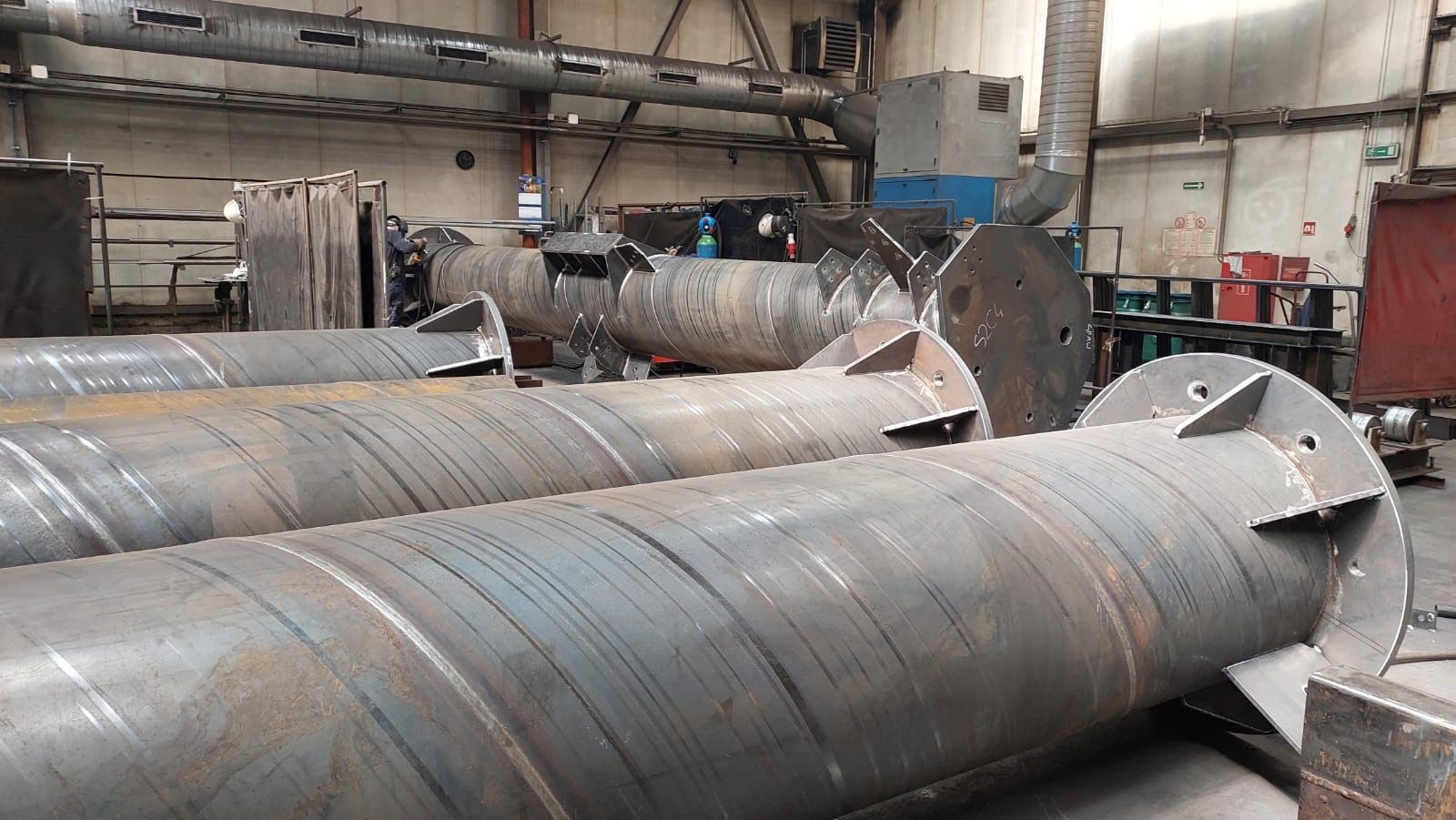
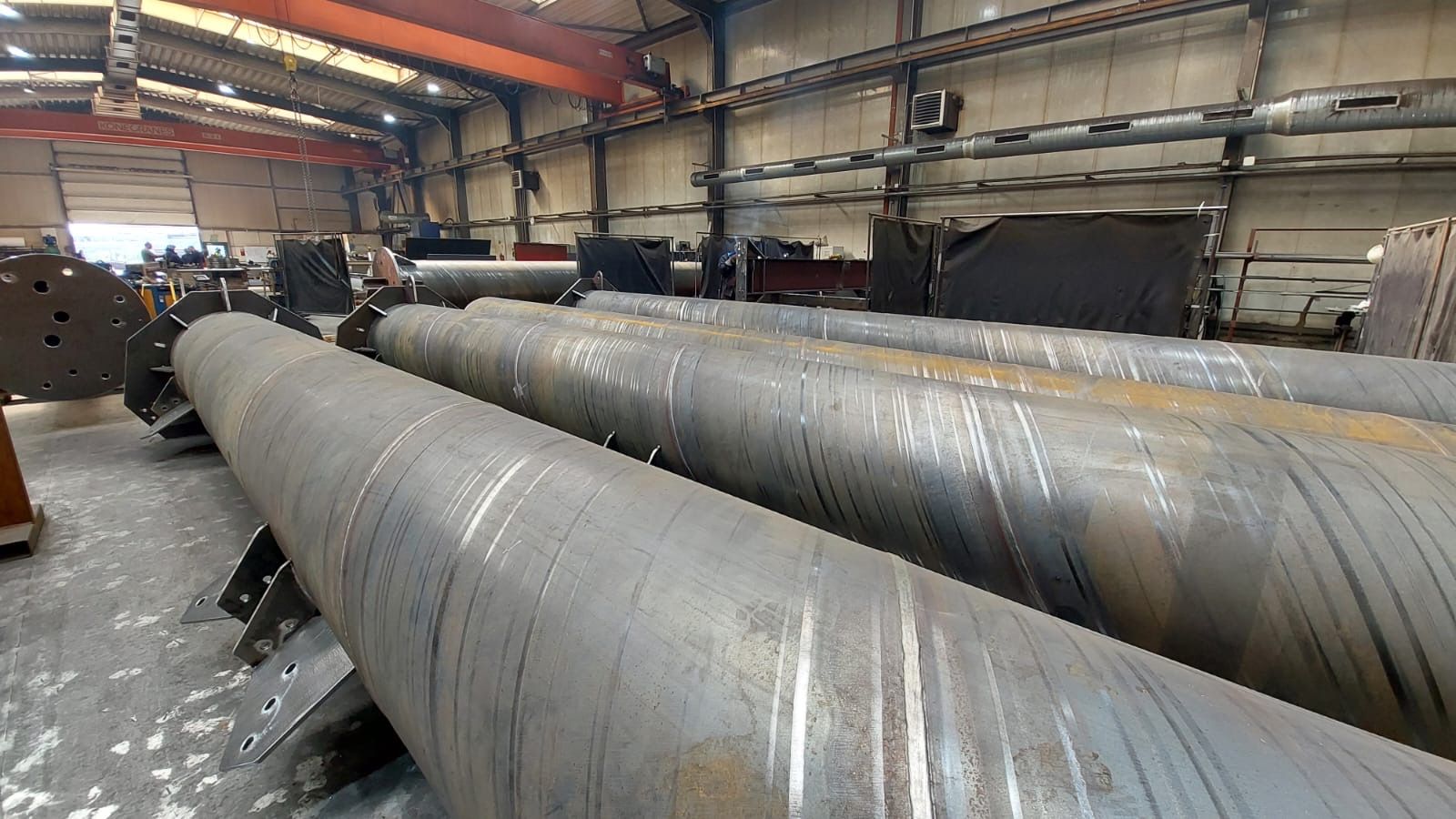
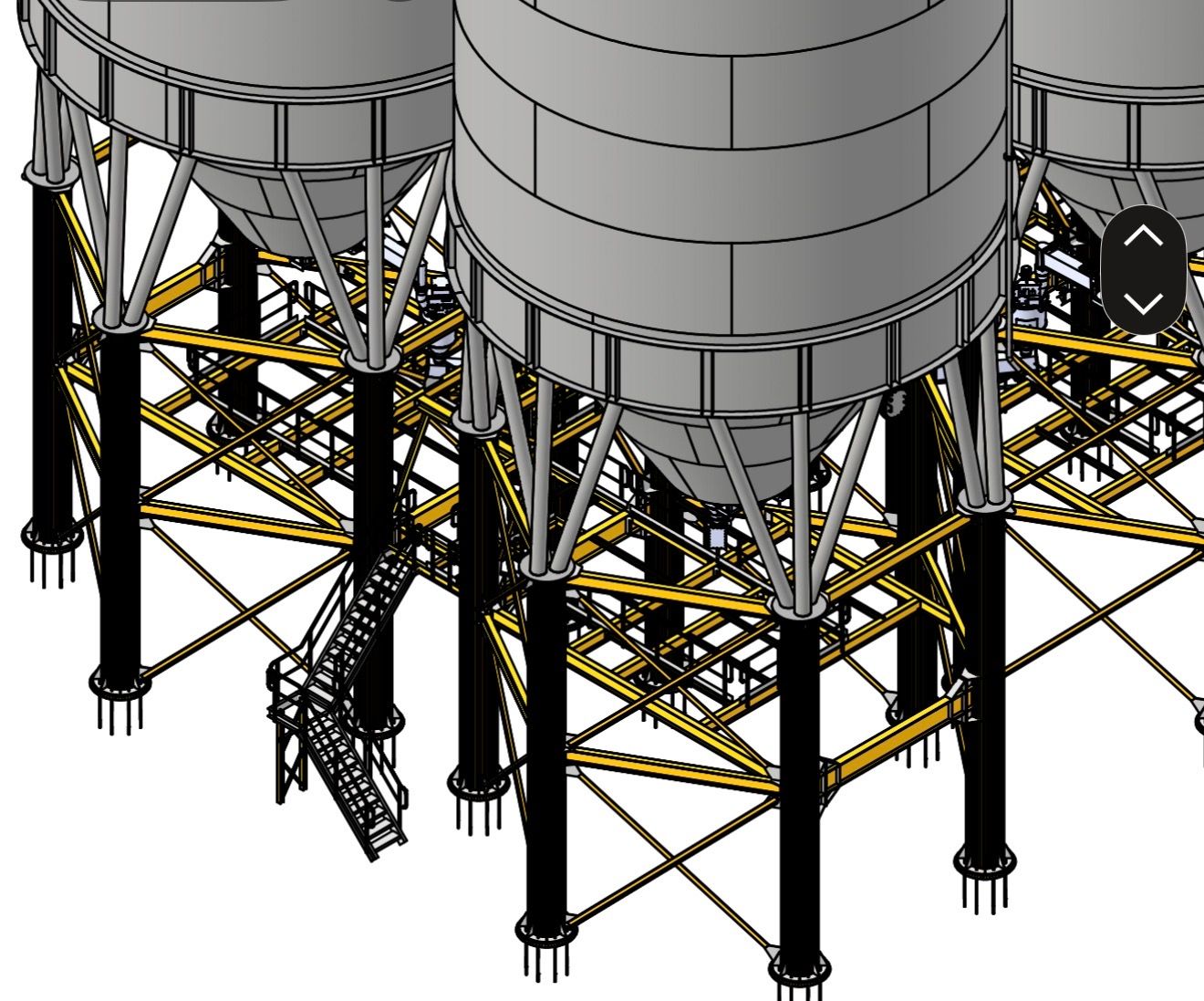
A support structure of this scale must do more than carry static weight. It must account for filled and empty silo conditions, asymmetric loading, vibration, wind forces, maintenance access and operational movements during filling and discharge.
In practical terms, the engineering process typically considers:
- Dead loads from the steel frame, platforms, ladders and accessories
- Live loads from operators, maintenance tools and service equipment
- Bulk material loads inside each silo
- Dynamic forces caused by filling, discharge and flow behaviour
- Wind, snow and environmental exposure for outdoor installations
- Interface loads from conveyors, filters, piping and dosing systems
European silo design often refers to EN 1991-4 for actions on silos and tanks, while supporting steel structures are generally assessed against relevant Eurocode principles. For a 200-tonne steel support construction, these standards help translate operational risk into measurable design criteria.
Why 200 Tonnes Of Steelwork Requires Precision
Two hundred tonnes of fabricated steel can be compared to the combined weight of more than 130 average passenger cars. Yet in an industrial environment, mass alone is not the challenge. The real test is dimensional accuracy.
A small deviation in column alignment or baseplate positioning can affect silo installation, conveyor connections and downstream process equipment. That is why Kametal combines 3D modelling, detailed fabrication drawings, qualified welding and controlled assembly procedures for complex steel construction projects.
For six silos placed in one coordinated arrangement, the supporting frame must create:
- Stable load transfer to the foundation
- Safe access for inspection and maintenance
- Clear routing for piping, skids and instrumentation
- Sufficient clearance for discharge systems
- Long service life in corrosive or demanding environments
This approach reflects Kametal’s broader expertise in custom silo solutions, where storage design is aligned with product behaviour, process flow and site constraints.
Building Reliability Into Bulk Storage
In bulk handling, downtime often starts with overlooked details. A poorly designed support construction can complicate cleaning, restrict access, accelerate corrosion or create fatigue points around high-stress zones.
For chemical, petrochemical, food, construction material and energy-related applications, the support frame must therefore be treated as part of the complete process system. Six silos may store powders, granulates or other solid materials, but the steel structure beneath them influences how safely and efficiently those materials move.
Kametal’s wider portfolio strengthens this integrated view. A silo project may connect to piping and skid systems, require compatible platforms around storage tanks, or form part of a plant upgrade involving process equipment and access structures.
From Fabrication To Installation
For a six-silo support frame weighing around 200 tonnes, success depends on planning long before steel arrives on site. Transport dimensions, lifting points, modular assembly, weld sequence and surface protection all affect the final outcome.
Kametal’s strength lies in managing this chain from concept to delivery. Since 1997, the Belgian metal construction company has developed projects for demanding B2B sectors where quality, safety and reliability are measured in operational performance, not promises.
Key project advantages include:
- Tailor-made engineering for each site and process
- Fabrication suited to heavy industrial conditions
- Consistent quality control and documentation
- Practical installation planning to reduce site disruption
- Long-term thinking around maintenance and inspection
Strong Structures Support Strong Operations
A 200-tonne supporting structure for six industrial silos is not simply a steel package. It is a strategic asset that helps protect production continuity, operator safety and investment value.
For plant owners, EPCs and procurement teams, the right partner brings more than fabrication capacity. It brings technical judgement, transparent communication and proven industrial focus.
If your next project involves silo construction, heavy steel support frames or integrated bulk-storage systems, contact Kametal through the quote request page or speak directly with the team via the contact page.